
Keynote, Workshop, and Breakout Session Topics.
The following topics can be presented as a breakout session, a keynote, or an intimate workshop setting.


PREPARING STUDENTS TO BE FUTURE THINKERS:
Cultivating Curiosity, Creativity, and Collaboration.
In this session, participants will discover practical and meaningful ways to build a classroom environment where curiosity, creativity, and critical thinking are the focal points of learning. This session will explore transforming the existing curricula and infusing units with creative and critical thinking in manageable, relevant, and engaging ways by merging creative teaching with creative learning.
Encouraging students to take risks, celebrate failure, and productively struggle can be challenging and incredibly rewarding. Walking through the CREATE Method, we will discuss the why, what, and how to instill the essential 21st-century skills of critical and creative thinking, collaboration, and communication into classrooms and prepare our students for the future ahead.
Your Title Goes Here
Your content goes here. Edit or remove this text inline or in the module Content settings. You can also style every aspect of this content in the module Design settings and even apply custom CSS to this text in the module Advanced settings.
Three learning outcomes:
- Learn why creativity and curiosity are vital components of education
- Learn strategies to ensure your curriculum and classroom ignite creative and critical thinking.
- Learn how merging creative teaching and creative learning can help teachers and students find joy, connection, and purpose in their lives and classrooms.

FOSTERING FEARLESS CLASSROOMS:
Encouraging Risk-Taking and Belonging.
Risk can be scary. Showing vulnerability in front of your peers is intimidating and often paralyzing, especially in a world where failure can be seen as unacceptable. Building a school and classroom environment that embraces and welcomes failure can be challenging, but the rewards are vast. How do educators create a culture where students and staff feel comfortable facilitating risks? Students are quick to judge, and as a result, the environment within a classroom can be stifled and creativity squashed. Will this session help you encourage students to express their ideas without fearing judgment so that teachers and students work together to build an open and welcoming environment?
Your Title Goes Here
Your content goes here. Edit or remove this text inline or in the module Content settings. You can also style every aspect of this content in the module Design settings and even apply custom CSS to this text in the module Advanced settings.
Three learning outcomes:
- Learn five ways to create a classroom environment where students feel a sense of belonging
- Learn how to nurture creative thinking through risk-taking
- Learn strategies to engage your students in ways to be open-minded

THE COLLABORATIVE CLASSROOM:
Empowering Tomorrow’s Leaders Today.
Collaboration is a sought-after skill. The ability to work in teams, listen to different perspectives, evaluate ideas respectfully, and unite to create a unique and successful product is essential to any environment. Each step of the collaborative process can be taught and practiced to strengthen and transform how teams function now and in the future. When you take the team approach to learning with balanced and functioning groups, students are more engaged. This helps motivate even those students who would instead work independently. During this session, you will learn how to make sure groups are balanced and functioning well and how taking the team approach to learning can be engaging and fun.
Your Title Goes Here
Your content goes here. Edit or remove this text inline or in the module Content settings. You can also style every aspect of this content in the module Design settings and even apply custom CSS to this text in the module Advanced settings.
Three learning outcomes:
- Learn the difference between group work and teamwork
- Learn how to create a classroom environment where empathy prevails
- Learn strategies for building unity in a learning environment

REIGNITING THE JOY:
Creative Strategies for Educator Well-Being.
It’s not a secret that teaching is hard. It has always been hard, yet over the last few years, teachers and administrators have been leaving the field, and the joy of teaching has been overshadowed by elements educators can not control. Schools focus on social-emotional learning for students, but what about the teachers? Creativity can boost our well-being, help us become more confident, and give us the energy to face our daily challenges. In this hands-on, creative session, let’s bring back the joy of teaching.
Your Title Goes Here
Your content goes here. Edit or remove this text inline or in the module Content settings. You can also style every aspect of this content in the module Design settings and even apply custom CSS to this text in the module Advanced settings.
Three learning outcomes:
- Learn ways that creative thinking can boost social-emotional learning
- Learn strategies to bring joy into your professional and personal lives
- Learn how to embrace challenges with a new energy and perspective

How to Lead Your School out of the Comfort Zone into the Creative Zone.
Discover how to build an environment where curiosity, creativity, and critical thinking are the focal points of learning and work environments. Education seems to be constantly changing, yet if we look at how we were taught as children and how we are currently teaching children…much has stayed the same. We actively lead our schools, teachers, and students from their comfort zones and teach them to embrace the future where creative thinking, problem-solving, critical thinking, and collaboration are essential skills and must be taught alongside reading, writing, and arithmetic.
Your Title Goes Here
Your content goes here. Edit or remove this text inline or in the module Content settings. You can also style every aspect of this content in the module Design settings and even apply custom CSS to this text in the module Advanced settings.
Three learning outcomes:
- Learn what current research shows about the future direction of education
- Learn why and how creative leadership and creative problem-solving can facilitate change
- Learn strategies to creatively and confidently lead your school into the future

CURIOSITY UNLOCKED:
Fostering Open-Mindedness and Resilience in the Classroom.
“Why do we have to learn this? How is this going to benefit me in the future?” These questions can be heard in classrooms around the nation. How we view the learning process, ourselves, and others can significantly impact our ability to be curious and creative. Learning how to shift attitudes and embrace the “not yet” allows learners to be more confident decision-makers. Combining a growth mindset and affirmative judgment allows one to approach creative ideas with an open mind, even while evaluating them. Learn how to encourage students to align their attitudes with unique situations and enable them to encounter curiosity and creativity even when faced with ambiguity.
Your Title Goes Here
Your content goes here. Edit or remove this text inline or in the module Content settings. You can also style every aspect of this content in the module Design settings and even apply custom CSS to this text in the module Advanced settings.
Three learning outcomes:
- Learn how to teach open-mindedness and acceptance while embracing differing perspectives
- Learn strategies on how to deal with ambiguity and uncertainty
- Learn Strategies for creating lessons that encourage an open-minded, purpose-filled environment.
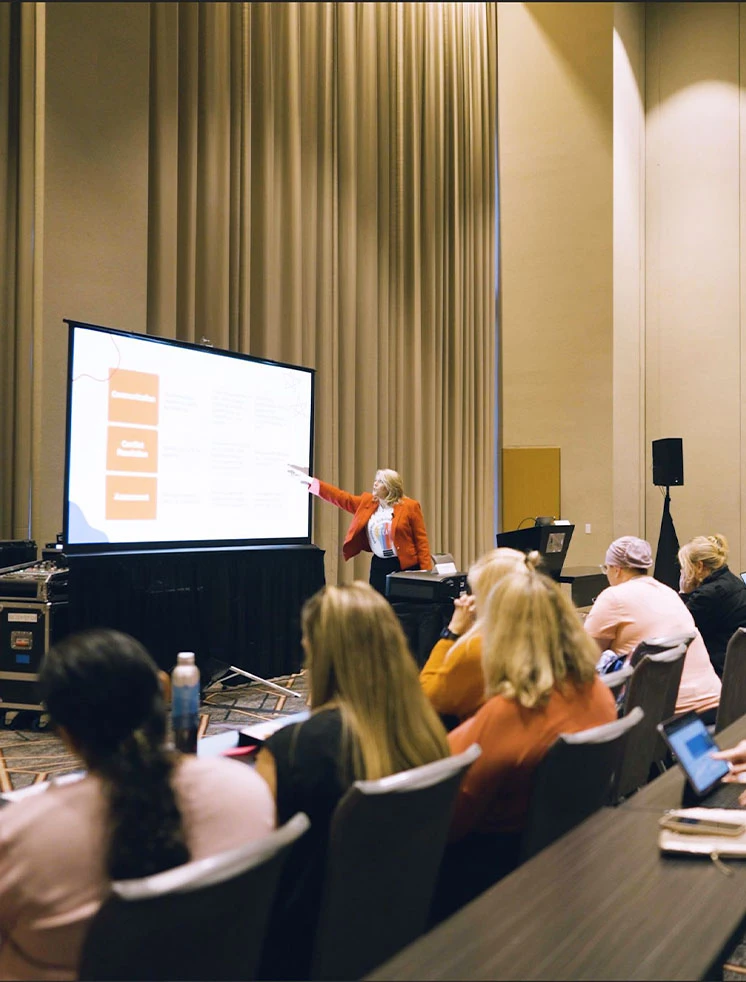
FUTURE-READY STUDENTS:
Integrating Creative Problem Solving into Everyday Learning.
Problem-solving continues to rank high on the skills needed by graduating students. The Creative Problem Solving process has been verified over decades as a valuable method for dealing with any size challenge. Applying these tools and techniques in your classroom will give your students useful ways to handle challenges at their desks and in the future.
Your Title Goes Here
Your content goes here. Edit or remove this text inline or in the module Content settings. You can also style every aspect of this content in the module Design settings and even apply custom CSS to this text in the module Advanced settings.
Three learning outcomes:
- Learn the Creative Problem Solving method
- Learn creativity tools and techniques to add to your existing curriculum
- Learn how to encourage deliberate creativity in your everyday
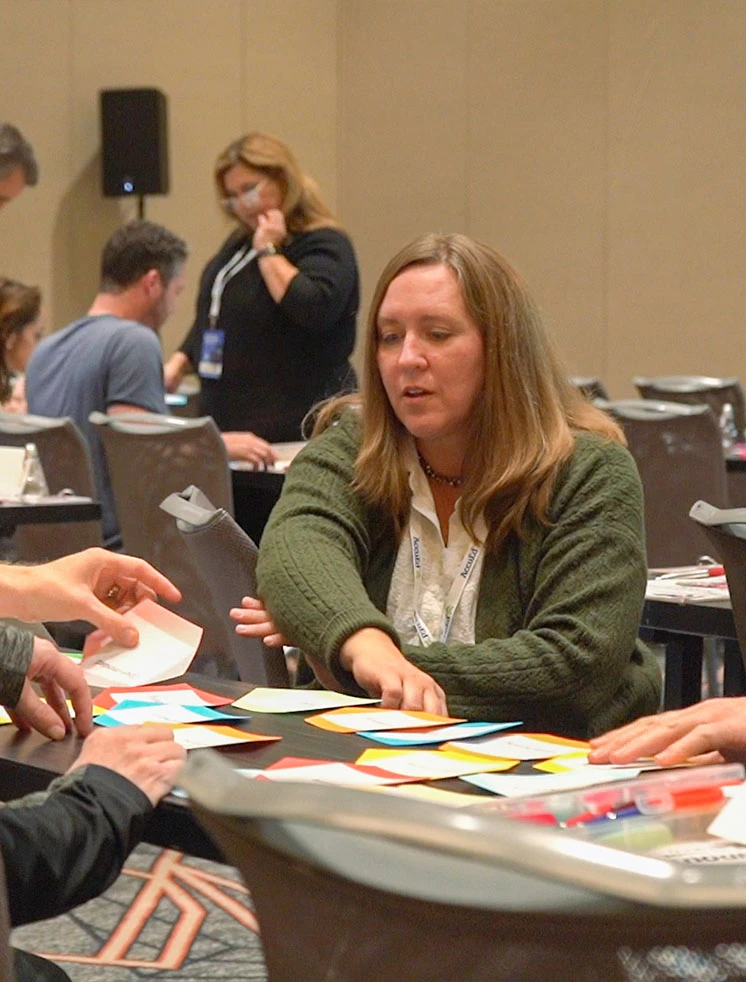
How to Hear What Your Students Need.
When our students ask questions or shout out their thoughts, they give us insight into how to design our lessons and what they actually need from us. The language of Creative Problem Solving can help us communicate better with our students, giving them the information that helps them and more patience for us.
Your Title Goes Here
Your content goes here. Edit or remove this text inline or in the module Content settings. You can also style every aspect of this content in the module Design settings and even apply custom CSS to this text in the module Advanced settings.
Three learning outcomes:
- Learn the four stages of Creative Problem Solving
- Learn the language cues that show what your students may need
- Learn how to communicate better with those around you

Out loud Alternative Assessments.
Doctors, engineers, and other businesses have begun using Applied Improv to help their people work together, communicate better, and think creatively. Why should they have all the fun?
These activities can be added to our classrooms to achieve the same outcomes. They help showcase how well students understand the content and build our appropriate risk-taking muscles.
Your Title Goes Here
Your content goes here. Edit or remove this text inline or in the module Content settings. You can also style every aspect of this content in the module Design settings and even apply custom CSS to this text in the module Advanced settings.
Three learning outcomes:
- Learn a variety of improv activities that can be used across content
- Learn how to incorporate these activities into assessments
- Learn how to reduce the stigma around failure, that encourages students to take appropriate risks
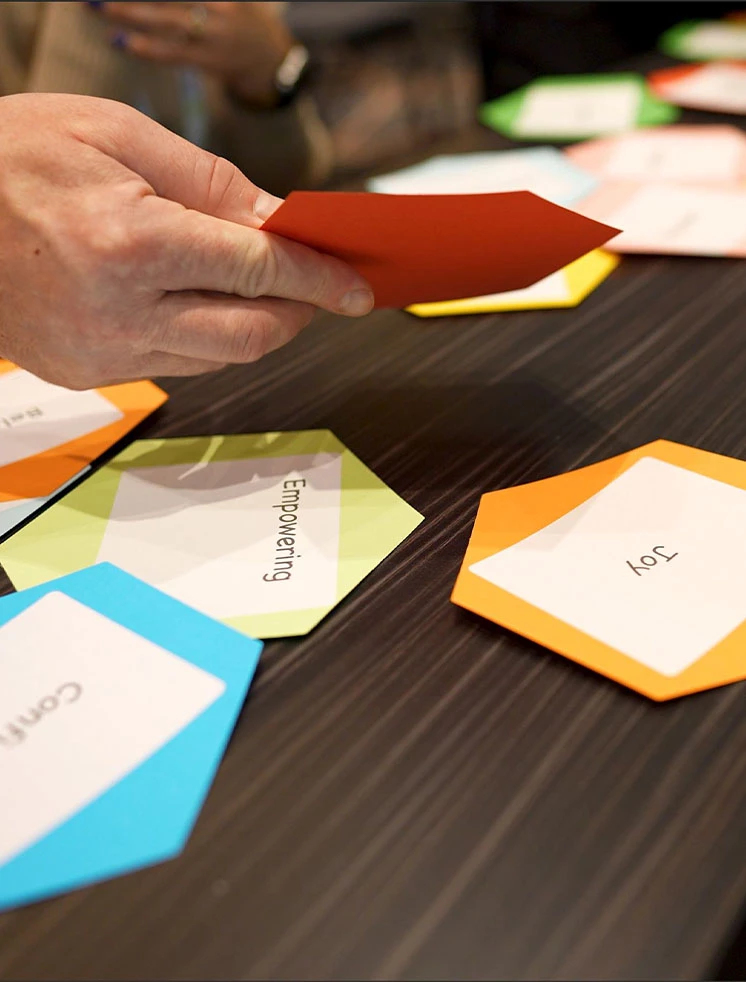
Creative Problem Solving for School Leaders.
It has been said that a good leader shows integrity, self-awareness, respect, and resilience. These are also qualities that come from practicing curiosity and creativity. Come learn tools and practice the skills that improve your leadership and make your building a more productive space.
Your Title Goes Here
Your content goes here. Edit or remove this text inline or in the module Content settings. You can also style every aspect of this content in the module Design settings and even apply custom CSS to this text in the module Advanced settings.
Three learning outcomes:
- Learning the problem-solving process, and your preferences in it
- Learn terminology that will help your building communicate better together
- Learn tools to employ to build resilience in you and your colleagues